
South Florida offers countless coastal towns, but living in Jupiter FL delivers a distinct mix of natural beauty and high-end amenities. Positioned at the northern edge of Palm Beach County, this area is known for its pristine beaches, extensive boating infrastructure, and the iconic Jupiter Inlet Lighthouse. Buyers looking at the current 2026 market will find a community that prioritizes outdoor recreation and ocean access.
Relocating to this stretch of the Atlantic Coast requires an understanding of local housing costs, property taxes, and daily logistics. While the proximity to West Palm Beach and Fort Lauderdale provides excellent employment and travel options, the local real estate landscape demands a strategic approach. Navigating the nuances of waterfront properties, planned developments, and regional climate factors is essential for making a confident purchase.
The 2026 real estate market in this region remains highly competitive, driven by buyers who value natural beauty and robust local amenities. Understanding the nuances of this specific market will ensure you make a sound financial decision.
What to Expect When Moving to Jupiter, FL
Moving to the area means adapting to a lifestyle heavily centered around the water and outdoor activity. The town balances a small-town coastal charm with the robust infrastructure expected in a major South Florida destination. Residents have immediate access to both the Atlantic Ocean and the Intracoastal Waterway, making it a hub for boating, fishing, and kayaking.
The 2026 real estate landscape here reflects the area's sustained demand, with home prices stabilizing after years of rapid growth. Buyers should anticipate a median home value ranging between $675,000 and $710,000, depending on proximity to the coastline.
One defining takeaway for prospective buyers is that Jupiter actively preserves its natural environment rather than overdeveloping every available acre. Strict zoning and a focus on conservation mean you get less urban sprawl and more green space compared to points further south.
This commitment to preservation is exactly what makes the area command premium property values.
The overall atmosphere leans heavily toward a laid-back, coastal lifestyle rather than a fast-paced urban environment. While commerce and nightlife certainly exist, the community generally prioritizes morning fishing trips and evening waterfront dining over late-night clubbing. This distinct pacing is a major draw for buyers seeking a retreat from denser metropolitan zones.
Navigating the 2026 Jupiter Real Estate Market
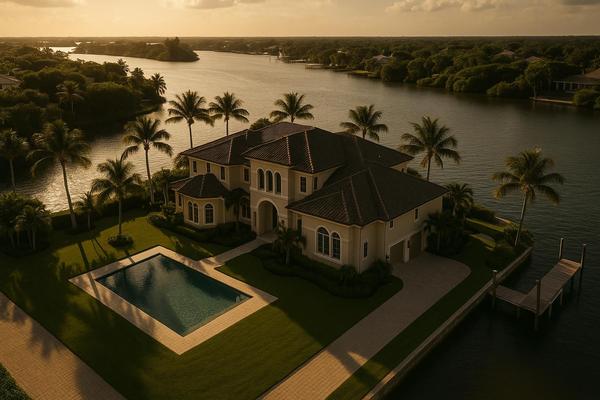
The current housing inventory offers everything from sprawling waterfront estates with private docks to single-family homes in inland planned developments. Neighborhoods like Abacoa provide structured, master-planned environments with varying architectural styles and community amenities. Meanwhile, areas closer to the Jupiter Inlet or neighboring Tequesta feature older, custom-built homes that often carry higher price tags due to ocean access.
Property taxes are a significant factor in the monthly carrying costs for any Palm Beach County home. The effective property tax rate in the area generally ranges from 1.05% to 1.9%, depending on specific municipal boundaries and homestead exemptions.
Homeowners association fees are another crucial budget line item, particularly in gated communities and planned neighborhoods. These fees often cover exterior maintenance, community pools, and landscaping, but they can easily add several hundred dollars to your monthly expenses. My advice to buyers is to always request a full breakdown of HOA reserves and upcoming assessments before submitting an offer.
Condominiums and townhomes also play a vital role in the 2026 market, offering a lower barrier to entry for prospective residents. Buyers must carefully review the associated condo fees, which have adjusted recently to account for rising structural insurance premiums.
Education and Healthcare Access
Access to structured education and medical facilities is a primary consideration for anyone relocating to Palm Beach County. The area is served by the School District of Palm Beach County, which operates numerous public campuses across the region. Buyers often review specific school boundary maps, as zoning can shift between neighborhoods and impact property demand.
Higher education and specialized training are also highly accessible from this part of the coast. Florida Atlantic University operates a campus right in town, offering undergraduate and graduate programs just minutes from major residential zones.
For medical care, residents rely heavily on Jupiter Medical Center, a comprehensive facility providing both routine and emergency services. The presence of a major hospital within the town limits drastically reduces travel times for urgent healthcare needs. Having world-class medical specialists located less than 15 minutes from most local neighborhoods is a massive advantage for the community.
Beyond standard curriculum, many local public schools offer specialized magnet programs focusing on marine biology and environmental science. These programs leverage the local coastline and the nearby Marinelife Center to provide hands-on educational experiences. Buyers frequently target specific neighborhoods to ensure access to these unique academic tracks.
Local Amenities, Parks, and Ocean Access
The local lifestyle is anchored by an impressive network of public parks, waterways, and pristine beaches. Dubois Park and the Busch Wildlife Sanctuary offer residents direct access to protected natural habitats and scenic waterfronts.
Dining and commerce are heavily concentrated around mixed-use developments like Harbourside Place. This downtown center features waterfront restaurants, boutique shopping, and an amphitheater that hosts local events throughout the year. The integration of commercial spaces with the waterfront ensures that daily errands or evening dinners often come with a view of the marina.
Golf courses are another major draw, with numerous world-class facilities woven throughout the local landscape. These courses range from public greens to highly exclusive private clubs that require separate memberships. If access to premium golf and deep-water marinas is your priority, few places on the East Coast of the United States can rival this specific stretch of FL.
The Jupiter Inlet Lighthouse stands as the most recognizable historical landmark in the area, offering panoramic views of the coastline. The surrounding grounds provide a glimpse into the rich history of Palm Beach County, preserving the origins of this coastal settlement. Maintaining these historical sites ensures the town retains its unique character amidst ongoing regional growth.
Commute Times and Transportation Logistics
Navigating daily travel from the northern edge of Palm Beach County requires an understanding of the regional highway system. The town is bordered by I-95 and Florida's Turnpike, providing dual high-speed routes for traveling north or south. US-1 serves as the primary local artery, connecting the coastal neighborhoods directly to neighboring municipalities.
Commuting to major employment hubs is a standard routine for many residents. A drive to West Palm Beach typically takes about 20 to 30 minutes to cover the 17-mile distance, depending on morning traffic patterns.
For domestic and international flights, Palm Beach International Airport is located just 25 to 30 minutes south via I-95. This proximity eliminates the need to navigate the heavy congestion associated with Miami International Airport for most standard travel. Buyers should view this easy airport access as a major logistical benefit when evaluating the region.
While regional highway travel is generally efficient, local traffic along US-1 can become congested during the peak winter months. The influx of seasonal residents temporarily increases the volume of cars on the road, particularly around major intersections and bridge crossings. My recommendation is to map out secondary local routes if your daily routine requires crossing the Intracoastal Waterway.
Pros and Cons of Living in Jupiter
Evaluating a move to this coastal town requires weighing the undeniable lifestyle benefits against the objective climate and financial realities. The area provides an exceptional standard of living for those who prioritize ocean access, but it demands a robust budget. Understanding both sides of the equation helps buyers make informed, long-term real estate decisions.
The advantages of the region are heavily tied to its geography and state-level financial policies. Florida imposes no state income tax, which can significantly offset the higher costs associated with housing.
The local economy provides robust job opportunities in healthcare, education, and marine services, which helps sustain the community year-round. Consider these specific pros and cons before committing to the area:
-
Abundant outdoor recreation, including world-class golf courses and extensive boating infrastructure.
-
No state income tax, allowing residents to retain a larger portion of their earnings.
-
High summer temperatures and persistent humidity that dominate the middle of the year.
-
Elevated risk of tropical cyclones, which necessitates expensive, specialized property insurance.
-
A baseline cost of living and median home value that sits significantly higher than the national average.
Frequently Asked Questions About Jupiter
Is Jupiter, Florida a good place to live?
The area offers a high quality of life with extensive access to coastal amenities, well-maintained parks, and strong property values. Prospective buyers should review local crime statistics and school ratings to ensure the specific neighborhoods meet their objective criteria. The combination of natural beauty and robust infrastructure makes it a highly desirable market in 2026.
What is the cost of living in Jupiter, FL?
Living expenses here are generally higher than both the state and national averages. The primary drivers of this elevated cost are housing prices, specialized property insurance premiums, and mandatory HOA fees. Buyers should expect median home values around $675,000 to $710,000 when calculating their monthly budgets.
Has Jupiter, FL ever been hit by a hurricane?
Yes, the town is located on the Atlantic coast and faces a documented risk of tropical cyclones. Historical data shows that the region has experienced direct impacts and peripheral damage from major storm systems over the decades. Homeowners must maintain proper windstorm insurance and ensure their properties meet current FL hurricane building codes.
FROM OUR BLOG

The True Cost of Ownership in Northern Palm Beach County
Northern Palm Beach County, Florida · Buyer Briefing The True Cost of Ownership in Northern Palm Beach County The purchase price is the number everyone studies, and it's the smallest figure in the deal. HOA and CDD carry, mandatory club equity and dues, wind and flood insurance, condo reserves, an

What Counts as Luxury Real Estate in Northern Palm Beach County?
Buyer's Briefing · Northern Palm Beach County What Counts as Luxury Real Estate in Northern Palm Beach County? From Jupiter's yacht-access enclaves to Palm Beach Gardens golf clubs and the oceanfront estates of Jupiter Island, "luxury" here isn't one price. It's a floor that begins around the two-

Singer Island Luxury Condos: How to Compare Buildings and Amenities
Singer Island, Florida · Buyer Briefing Singer Island Luxury Condos: How to Compare Buildings and Amenities On Singer Island, “oceanfront condo” covers a value studio and a multimillion-dollar resort residence in the same sentence. The way to buy well is to stop comparing the island and start comp
GET MORE INFORMATION

Agent SLSL698137