Average Rent Trends in Jupiter, FL for 2026
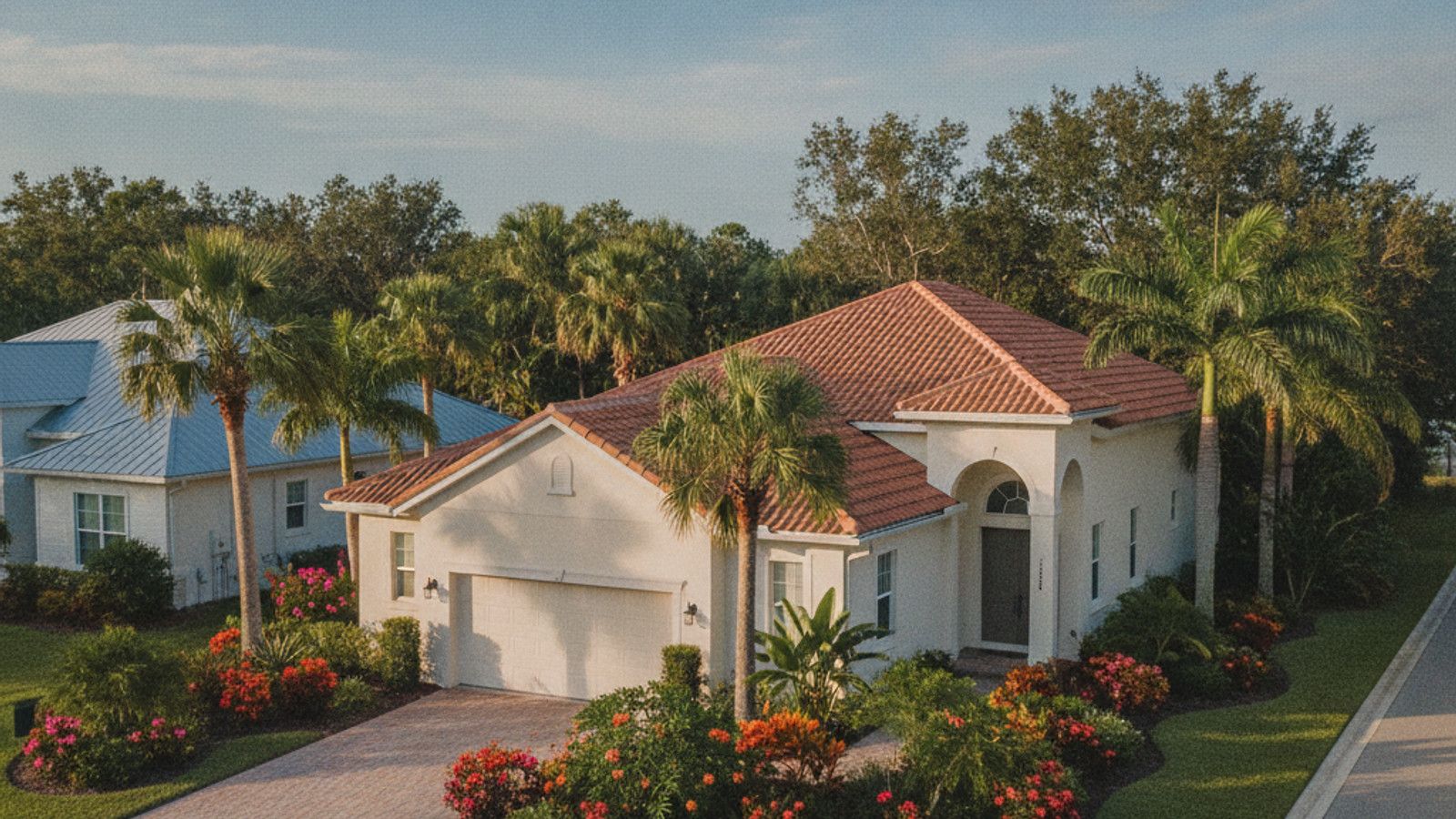
Finding a rental in Jupiter, FL as of mid-2026 means understanding a housing market that balances coastal demand against limited inventory. Prices here reflect location, property type, and how close you are to the water - and they vary more than most people expect before they start looking.
Whether you're moving down for a job or relocating within the area, knowing the current figures keeps your budget grounded. What you'll pay depends on the type of unit you want, the specific neighborhood you're targeting, and the time of year you sign.
Current Monthly Rental Costs in Jupiter
Depending on which platform you check, the average rent in Jupiter lands somewhere between $2,100 and $3,500 per month in 2026. Zumper reports $3,500 as of May 2026, while RentCafe and Redfin place the median closer to the $2,583 to $2,663 range. Apartments.com shows figures between $2,108 and $2,262.
The gap between those numbers isn't a data error - it's a methodology difference. Averages that include large single-family homes in gated communities pull the overall figure up, while platforms tracking traditional apartment complexes tend to report lower medians. Both are telling you something real; they're just measuring different slices of the same market.
Averages Across Unit Types
The property type you choose sets your baseline. Single-family homes with yards and private pools command top dollar. Condos and townhomes offer a middle ground for renters who need space without the upkeep of a detached house.
Standard apartment complexes generally give you the most predictable pricing. Shared amenities like fitness centers and community pools are typically baked into the base monthly rate rather than added on top.
Comparing Jupiter to National Figures
Jupiter costs more than the national average - that's not a surprise, but the gap is worth knowing. The U.S. national average sits around $1,663 to $1,950 per month according to Apartments.com and Zumper. Jupiter's baselines consistently exceed those marks.
Florida statewide averages shift constantly, but Jupiter regularly ranks in the upper tier of Palm Beach County pricing. The coastal geography and steady demand for housing in this part of the state drive that premium.
Pricing by Bedroom Size
Bedroom count is the most direct driver of what you'll pay each month. Sizing up from a one-bedroom to a three-bedroom means steep jumps - not gradual ones.
Square footage adds another wrinkle. A sprawling two-bedroom condo can cost more than a compact three-bedroom apartment, depending on the building's age and location. The bedroom number is your starting point, not the whole story.
Studio and One-Bedroom Apartments
Studios in Jupiter average about $1,900 per month. They're also relatively rare compared to larger floor plans, so inventory can be tight if you're a single renter looking for the smallest available space.
One-bedroom apartments are more available, with monthly rates typically falling between $2,156 and $2,315. Most of these units run around 700 to 750 square feet.
Two-Bedroom and Three-Bedroom Layouts
Two-bedroom units are the most common rental type in Jupiter, with prices ranging from $2,200 to $3,000 per month. According to RentCafe, a standard two-bedroom apartment offers about 1,130 square feet and averages $2,653.
Three-bedroom rentals require a meaningfully larger budget - typically $3,263 to $3,410 per month. These units average nearly 1,400 square feet in apartment complexes and attract renters who need a home office or extra space.
Neighborhood and ZIP Code Variations
Jupiter covers several distinct ZIP codes - 33458, 33469, 33477, and 33478 are the most active for rentals - and where you land within those zones changes your monthly rate. The town mixes dense, walkable communities with more spread-out, rural environments. Your budget will shape which of those settings is actually realistic for your daily life.
Areas with More Approachable Pricing
Renters looking for lower monthly costs tend to focus on Jupiter Village, New Haven, and Maplewood. These areas feature older construction or smaller floor plans, which keeps lease rates down relative to the waterfront neighborhoods.
Jupiter Farms and Palm Beach Country Estates offer different rental dynamics. The larger lots are appealing, but the distance from the coastline and downtown commercial centers can push pricing lower on older properties - which is worth knowing if you're flexible on location.
Premium Communities and Neighborhoods
Abacoa, Admirals Cove, and Jonathan's Landing sit at the higher end of the local rental market. Extensive amenities, golf courses, and waterfront access all drive up monthly costs in these communities.
The Bluffs, Egret Landing, and Indian Creek also command premium rates. Renters there are paying for proximity to the water, upgraded community features, and newer or recently renovated properties.
Market Trends and Year-Over-Year Changes
The Jupiter rental market has sent mixed signals throughout 2026. Zumper reported a year-over-year rent increase of about 6 percent as of July 2026. RentCafe, on the other hand, noted a slight 2 percent decrease overall, and RentHop recorded noticeable drops in studio and three-bedroom rates earlier in the year.
The honest read is that no single trend covers the whole market right now.
Recent Shifts in Pricing
The fluctuations break down by unit type. One-bedroom units saw a modest 2.3 percent rise in early 2026, while larger three-bedroom units experienced price reductions as high as 18 percent. Those are very different stories sitting in the same market at the same time.
For renters, that means there's more negotiating room on certain unit types than there was a year ago - but it depends entirely on what you're looking for.
Factors Influencing the Market
Jupiter's rental inventory remains limited compared to larger nearby cities, and that scarcity helps keep baseline prices firm even when broader regional markets soften. The steady influx of new residents relocating to Florida continues to drive demand. As long as population growth continues, competition for well-maintained, well-located rentals isn't going away.
Budgeting and Affordability Guidelines
Knowing the local averages is only the first step. You also need to know how those numbers fit your actual finances, because landlords and property managers apply standard income formulas when qualifying applicants.
Most leasing offices require proof that your gross monthly income is at least two and a half to three times the monthly rent. If you don't meet that threshold, you may need a co-signer or a larger upfront deposit.
Applying the 30 Percent Guideline
The 30 percent rule - spending no more than 30 percent of your gross income on housing - is the standard benchmark. For a Jupiter rental priced at $2,500 a month, that rule puts your target annual household income at roughly $100,000.
Sticking to that guideline leaves enough room for utilities, groceries, transportation, and savings. At Jupiter's price levels, it often means a dual-income household is the practical baseline.
Matching Local Incomes to Rent Costs
The median household income in Jupiter sits between $110,240 and $114,228 - well above the national median of $83,181. That local earning power explains how the rental market sustains the rates it does.
Renters at the local median income are reasonably well-positioned for a standard one- or two-bedroom apartment. Those earning closer to the national median should focus the search on studios, older one-bedroom units, or roommate arrangements.
Renting Versus Buying a Home in Jupiter
A lot of people use renting as a pause button while they get a feel for the local real estate market - and that's a reasonable approach. Comparing a monthly lease to a potential mortgage payment is a normal part of figuring out whether to stay.
Purchasing involves upfront costs like down payments and closing fees, plus ongoing expenses like property taxes and maintenance. Renting gives you flexibility and predictable monthly costs, which matters if you're not ready to commit to a long-term purchase.
Current Home Sale Prices
As of May 2026, the median sale price for a home in Jupiter is roughly $695,000, according to MLS data. Homes are spending about 67 days on the market before selling.
The market currently holds about 526 active listings, representing a 4.1-month supply of inventory. Homes are selling for about 96.2 percent of their list price, so buyers have some negotiating room - but the barrier to entry is still steep compared to renting a standard apartment.
Evaluating the West Palm Beach Metro Area
Renters who find Jupiter's prices too steep often expand their search southward. The broader West Palm Beach metro area generally offers more rental inventory overall.
Larger neighboring cities like West Palm Beach and Fort Lauderdale simply have more apartment complexes and high-rises. More supply typically means more options across different price points.
Finding Your Next Apartment or Home
Securing a rental in Jupiter takes preparation. The most desirable units lease quickly, so have your documentation ready before you walk into a showing - pay stubs, bank statements, and identification.
Also expect application fees, background checks, and potentially a separate homeowners association approval process. Many condo and townhome rentals in the area are governed by associations that run their own applications independent of the landlord's.
Pet-Friendly and By-Owner Options
If you have a pet, your options narrow. Most complexes charge non-refundable pet fees plus additional monthly pet rent, and many enforce breed or weight restrictions. Budget for those costs upfront.
Renting directly from a private owner can offer more flexibility on pets or lease terms. That said, by-owner rentals still require due diligence - confirm the lease agreement is standard and the property is properly maintained before you sign anything.
Securing Long-Term Leases
Florida's seasonal rental market is real, and it affects pricing. Seasonal rentals spike during the winter months when snowbirds arrive, and if you're on a short-term or month-to-month arrangement, you'll feel it.
Signing a 12-month lease is the straightforward way to lock in a stable rate and avoid those seasonal surges. Landlords prefer the predictability of an annual tenant and will generally offer a lower monthly rate in exchange for the year-long commitment.
Frequently Asked Questions
What is the current average monthly rent for a standard 2-bedroom apartment in Jupiter, FL?
A standard two-bedroom apartment in Jupiter averages between $2,653 and $2,719 per month, depending on the data source. These units typically offer around 1,130 square feet of living space.
Which neighborhoods in Jupiter offer the most affordable long-term rental rates?
Renters looking for lower monthly costs should explore Jupiter Village, New Haven, and Maplewood. These areas often feature older properties or smaller floor plans that keep lease rates more approachable than the waterfront communities.
How much do rental prices in Jupiter increase during the winter snowbird season?
Seasonal rental rates can double or triple during the winter months when demand peaks. Securing a standard 12-month lease is the most reliable way to avoid those seasonal price spikes.
Are there hidden HOA application fees I should expect when renting a condo or townhome in Jupiter?
Yes. Many condos and townhomes in Jupiter are governed by homeowners associations that require their own application and approval process. Those HOA fees are separate from the landlord's application fee and must be paid before you can move in.
How does the cost of renting a single-family home compare to an apartment in Jupiter?
Single-family homes generally cost more than standard apartments because they offer more square footage, private yards, and often private pools. Averages that include these large homes in gated communities push the overall rental figures higher.
Is it significantly cheaper to rent in neighboring towns like Tequesta or West Palm Beach instead of Jupiter?
Larger nearby cities like West Palm Beach have more rental inventory, which can provide more options at lower price points. Jupiter's limited inventory and coastal location generally keep its baseline prices higher than the broader metro area.
Categories
Recent Posts



GET MORE INFORMATION