Investing in Jupiter, FL Real Estate: Market Data and Property ROI in 2026
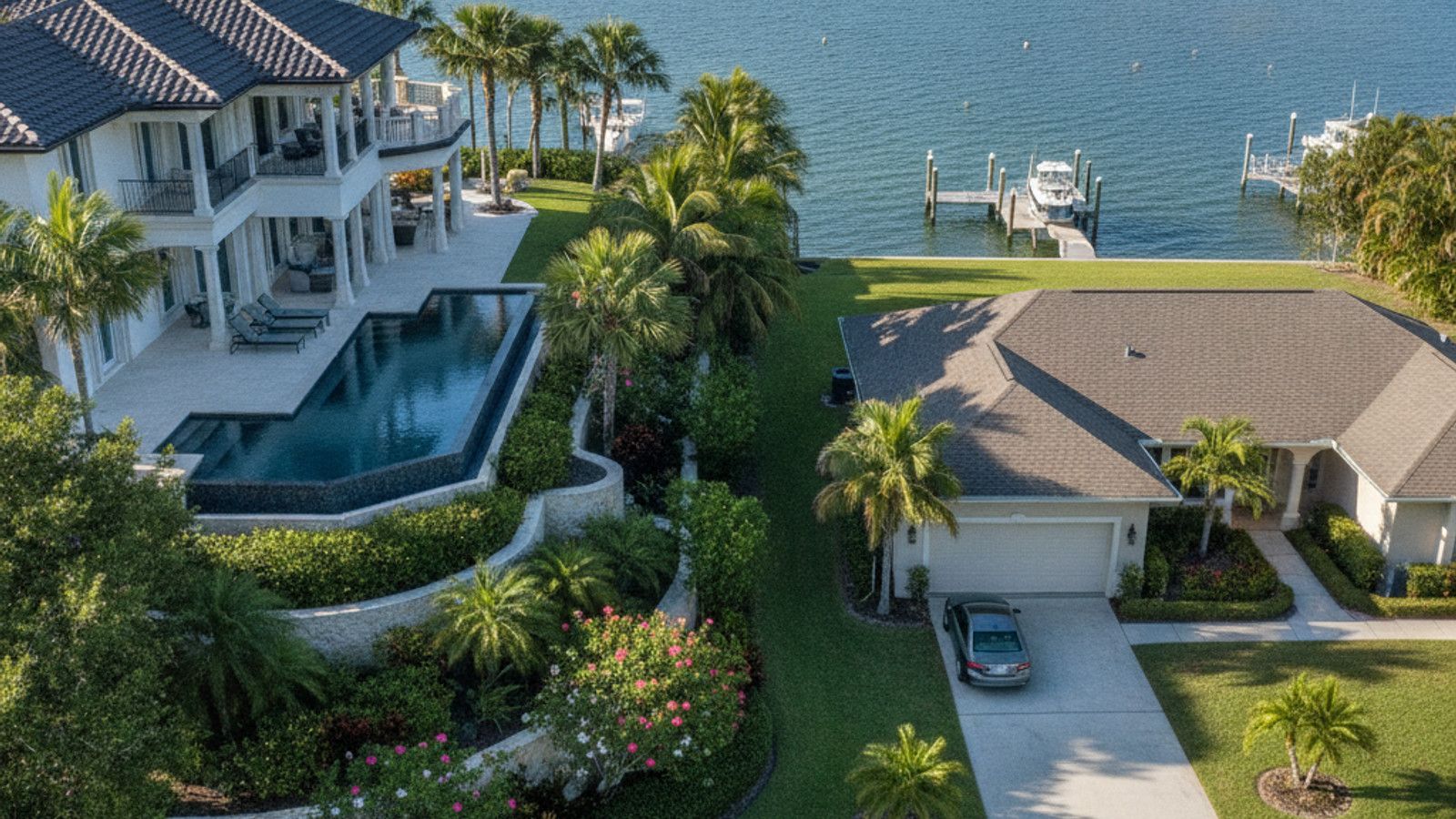
Jupiter sits in northern Palm Beach County - a town that mixes luxury waterfront estates, suburban single-family homes, and condominium complexes in a way that keeps drawing buyers from both ends of the price spectrum. The median sale price in the Jupiter, FL housing market is currently around $695,000, which reflects where this corner of South Florida has settled after a few years of sustained movement.
If you're evaluating this market for investment purposes, you're likely weighing two things: long-term appreciation and what the rental income will actually look like month to month. With 526 homes currently active on the market, there's real range here - from entry-level rental properties to high-end commercial real estate - and the numbers tell a reasonably clear story once you dig into them.
Assessing Jupiter, FL as an Investment Market
Jupiter's housing market is sitting at about 4.1 months of supply right now, which puts it in that transitional zone between a seller's market and a buyer's market. Homes are spending a median of 67 days on the market before closing.
Only about 7% of properties are selling above list price, and the average sale-to-list ratio is 96.2%. That's meaningful for investors. You have some room to negotiate, which matters when you're trying to make the numbers work on a rental property before you ever put a tenant in the door.
Home Price Trends and Rent Averages
The median sale price of $695,000 reflects a 4.5% year-over-year increase. Zoom out further and it gets more interesting - historical data from NeighborhoodScout shows Jupiter real estate appreciated 161.88% over the last ten years, averaging a 10.11% annual rate.
Rental figures vary by source and property type. U.S. News reports a median rent of $2,088, while RentCafe lists average rents around $2,583. For larger single-family homes, platforms like Zumper and Homes.com show average rents running between $3,500 and $4,000 per month. The spread tells you something: property type matters a lot when you're modeling income.
Population Growth and Market Demand
World Population Review estimates Jupiter's 2026 population at 63,889 residents. The town has grown about 4.42% since the 2020 census, holding a steady annual growth rate of 0.71%.
That's not explosive growth, but it's consistent - and consistency is what supports a buy-and-hold rental strategy. A steadily growing resident base means a steadily replenishing pool of prospective tenants.
Investment Strategies for the Jupiter Market
Successful real estate investing in Florida comes down to matching the right property type with a clear financial strategy. Before you make an offer on anything here, you're running numbers - that part isn't optional.
The local market dynamics will tell you which approach makes the most sense. What works for a short-term furnished rental near the water won't look the same on paper as a long-term single-family hold in an inland subdivision. Knowing which game you're playing before you start looking saves a lot of wasted time.
Buy-and-Hold Rentals
Long-term rentals are the most common investment play in Palm Beach County, and Jupiter is no exception. The goal is simple: find a property where monthly rent covers the mortgage, taxes, and maintenance, while equity builds over time.
Month-to-month rentals in Jupiter also attract seasonal visitors and relocating professionals, and furnished short-term rentals can command higher monthly rates than a standard annual lease. That said, you'll want to verify local zoning rules before you buy anything specifically for that purpose - don't assume it's allowed just because other properties are doing it.
House Flipping and Evaluation Formulas
Flippers in this market typically lean on the 70% rule: pay no more than 70% of a property's after-repair value minus renovation costs. For rental income, the 1% and 2% rules give you a quick filter - monthly rent should equal at least 1% or 2% of the total purchase price to generate positive cash flow.
Other benchmarks worth knowing: the 7% rule targets a 7% annual return on investment, and the 3-3-3 rule helps estimate closing costs, emergency funds, and initial maintenance reserves. Run all of these against the 526 active listings and you'll cut the viable options down quickly.
Jupiter Neighborhoods to Consider for Investment
Location drives rental rates and long-term appreciation more than almost anything else you can control as an investor. Jupiter covers a wide range - from inland suburban developments to exclusive waterfront enclaves - and different communities attract different types of tenants and buyers.
Before you zero in on a neighborhood, look at historical appreciation, current median prices, and what's nearby. Those three variables together will tell you more than any single data point.
Established and Luxury Communities
For established single-family value, communities like Abacoa, Egret Landing, and Jupiter Country Club tend to draw investor attention. Distinct architectural styles and community amenities in these areas support long-term tenant retention.
At the higher end, Admiral's Cove, Jupiter Inlet Colony, and The Bears Club are the names that come up for luxury real estate. The initial investment is significantly larger, but these properties serve a luxury rental or resale market that operates on its own terms.
Accessible Entry Points for Rentals
If you're building a rental portfolio and want lower entry prices, Jupiter Farms, Mallory Creek, and Downtown Jupiter are worth your attention. Jupiter Farms offers larger lot sizes and a more rural character. Downtown Jupiter puts tenants closer to commercial centers and transit routes. They're genuinely different profiles, and the right one depends entirely on the tenant demographic you're targeting.
How to Finance and Purchase Your Investment
Financing an investment property is not the same experience as financing a primary residence. Lenders typically require larger down payments and charge slightly higher interest rates on rental homes and commercial real estate in Jupiter - so those costs need to be built into your ROI calculations from the start, not tacked on afterward.
A thorough inspection is also necessary. Deferred maintenance has a way of appearing after closing if you don't go looking for it first.
Protecting Property Value
The factors that devalue a house the most tend to be structural issues, outdated major systems like roofs or HVAC units, and unpermitted additions. In South Florida specifically, older roofs and inadequate hurricane protection can also create serious complications with insurance coverage - which affects both your carrying costs and your ability to rent the property at all.
Work these issues into the negotiation before closing, not after. With properties sitting on the market an average of 67 days, you have time to conduct real due diligence. Use it.
Working with Local Investment Specialists
A local agent who knows Palm Beach County can do things a general search can't: surface off-market opportunities, make sense of commercial real estate listings, and connect you with local real estate investment groups. They're tracking neighborhood-level data that doesn't show up in any national database.
That kind of granular knowledge helps you align your capital with properties that actually fit your strategy - rather than just properties that look right at first glance.
Frequently Asked Questions
Are short-term rentals and Airbnbs legally allowed for investment properties in Jupiter, FL?
It depends on the specific location and property type. Check local zoning rules and the individual homeowners association bylaws before you buy - regulations vary across different communities in Jupiter.
How much do HOA fees and hurricane insurance impact rental yields in Jupiter?
Both costs directly reduce a property's net operating income. Factor HOA dues and insurance premiums into your initial 1% or 2% rule calculations so you know whether the property will still generate positive cash flow once those line items are included.
Which neighborhoods in Jupiter offer the best ROI for long-term residential rentals?
Jupiter Farms, Mallory Creek, and Downtown Jupiter are frequently cited for rental investments due to their more accessible entry prices. Established communities like Abacoa and Egret Landing also offer solid value for single-family rentals.
Is it better to invest in Jupiter real estate or look into neighboring Palm Beach Gardens?
That depends on your specific budget and investment strategy. Jupiter carries a median home price around $695,000 and a 10-year historical appreciation rate of over 161%, which makes it a strong candidate within northern Palm Beach County.
When is the best time of year to list a seasonal rental property in the Jupiter market?
Seasonal demand in South Florida typically peaks during the winter months. Investors with furnished month-to-month rentals generally see the highest demand from visitors arriving between late fall and early spring.
Are single-family homes or waterfront condos a better investment in Jupiter right now?
They serve different strategies. Single-family homes in areas like Egret Landing tend to appeal to long-term renters, while waterfront condos may attract seasonal month-to-month tenants - though that depends on what individual association rules allow.
Categories
Recent Posts


GET MORE INFORMATION