
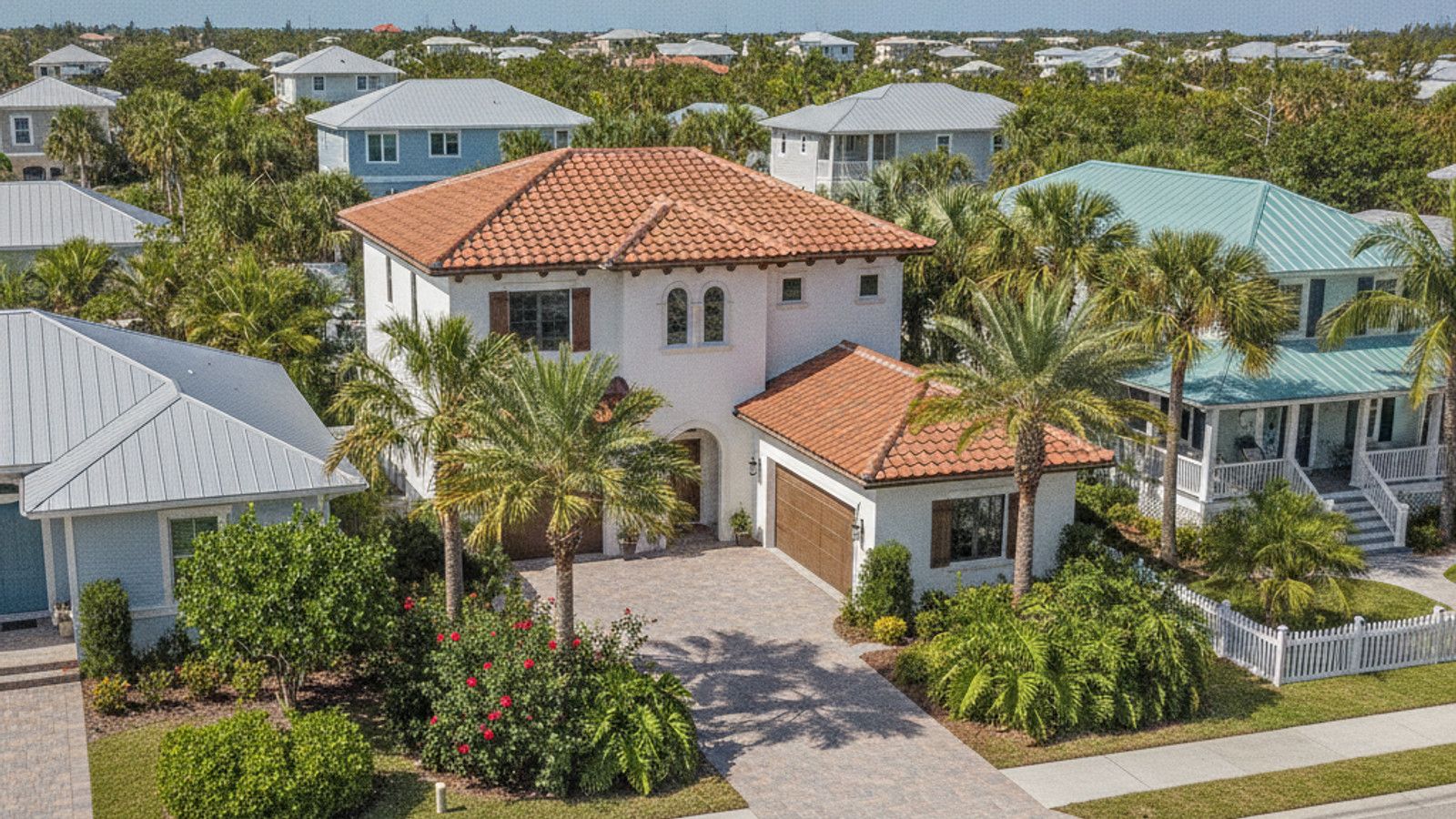
The median sale price for a home in Jupiter, FL is around $695,000. With homes spending roughly 67 days on the market, buyers have time to conduct thorough inspections and review property histories before closing. Hiring the best real estate agent in Jupiter, FL ensures you handle these preliminary steps correctly.
Disclosing known property issues protects both parties during a transaction. Florida law places specific obligations on sellers to reveal hidden defects before a sale is finalized. Understanding what to document helps keep the sale moving smoothly and prevents legal disputes after the buyer moves in.
Florida Property Disclosure Laws to Understand
Since the 1985 Johnson v. Davis Supreme Court ruling, Florida sellers must disclose any known latent defects that materially affect a property's value. A latent defect is an issue a buyer cannot readily observe during a standard walk-through.
This legal standard applies to structural damage, hidden water leaks, and unpermitted electrical work. If you know about a problem that lowers the home's value, you must inform the buyer in writing. Selling a home "as-is" does not cancel this obligation.
The "as-is" clause simply means the seller will not pay for repairs. It does not give you permission to hide a failing roof or a cracked foundation. Buyers still hold the right to know about these issues before finalizing the purchase contract.
Flood and Environmental Disclosures in Jupiter
In October 2025, the expanded Florida Flood Disclosure Law took effect, adding new requirements for sellers state-wide. Jupiter's coastal location and seasonal weather patterns make these environmental documents a priority for local transactions.
Sellers must now answer three specific flood-related questions. You must disclose past flood damage, whether you have filed any flood insurance claims, and if you have ever received federal assistance for flood-related losses. Buyers use this information to estimate future insurance premiums and assess the property's risk level.
Beyond flooding, sellers should document other environmental concerns. This includes known sinkhole activity and specific coastal property rules that apply to homes near the water. Providing these details upfront prevents surprises during the buyer's inspection period.
Standard Disclosure Forms Used in Palm Beach County
Florida does not mandate a single state-issued disclosure document, but most local agents use standard FAR/BAR forms. These standardized templates cover the most common structural, electrical, and environmental questions.
Palm Beach County has a high concentration of managed communities, meaning sellers usually need to provide Homeowner Association (HOA) and Condo Association documents. Buyers must receive a separate HOA disclosure summary detailing the community's financial obligations.
Sellers should gather these association documents before listing the property. The required paperwork must include:
-
The current monthly or quarterly fee amounts.
-
Any pending special assessments for community repairs.
-
A copy of the association's rules and restrictive covenants.
You can obtain these forms directly from your property management company or HOA board. Having them ready when a buyer submits an offer helps avoid delays during the initial contract phase.
Legal and Financial Risks of Hiding Property Defects
Buyers typically have the right to cancel a contract if required disclosures are not provided within the agreed-upon timeline. Failing to provide this paperwork puts the entire transaction at risk.
Withholding information about a material defect exposes both the seller and their real estate agent to post-closing lawsuits. If a buyer discovers a hidden issue after moving in, they can sue for fraud or breach of contract.
Courts can order sellers to pay for the necessary repairs, cover the buyer's legal fees, or even reverse the sale entirely. Sellers should err on the side of caution and document any past repairs, insurance claims, or ongoing issues.
Frequently Asked Questions
Does an 'as-is' contract mean I do not have to disclose defects in Florida?
No. An "as-is" contract only means you are not obligated to make repairs before closing. You must still disclose any known hidden defects that affect the property's value under Florida law.
Are sellers required to disclose past flood damage in Jupiter?
Yes. Under the Florida Flood Disclosure Law enacted in late 2025, sellers must report past flood damage. You must also disclose any flood insurance claims or federal assistance received for the property.
What happens if a seller fails to disclose a material defect in Florida?
The buyer can sue the seller for breach of contract or fraud. If the court rules in the buyer's favor, the seller might have to pay for the repair costs or accept a cancellation of the sale.
Which specific seller disclosure forms are used for residential sales in Palm Beach County?
Most transactions rely on the standard FAR/BAR seller's property disclosure form. Sellers in managed communities must also provide an HOA or Condo Association disclosure summary outlining fees and rules.
At what point in the transaction timeline should a buyer expect to receive the seller's disclosure in Jupiter, FL?
Buyers normally receive the disclosure documents before or immediately after signing the purchase agreement. Reviewing these forms early allows buyers to make informed decisions before their inspection period ends.
Do sellers have to disclose pending HOA special assessments when listing a property in Jupiter?
Yes. Sellers must inform buyers of any pending special assessments on the HOA disclosure summary. This ensures the buyer knows exactly what financial obligations they are assuming with the property.
FROM OUR BLOG
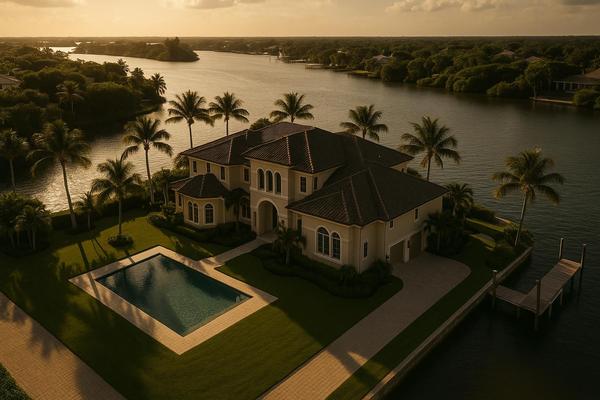
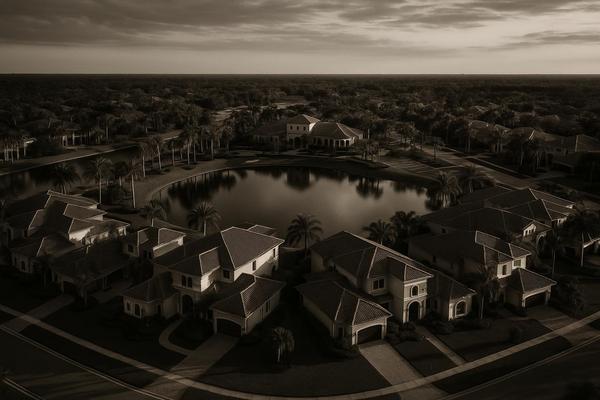
The True Cost of Ownership in Northern Palm Beach County
Northern Palm Beach County, Florida · Buyer Briefing The True Cost of Ownership in Northern Palm Beach County The purchase price is the number everyone studies, and it's the smallest figure in the deal. HOA and CDD carry, mandatory club equity and dues, wind and flood insurance, condo reserves, an

What Counts as Luxury Real Estate in Northern Palm Beach County?
Buyer's Briefing · Northern Palm Beach County What Counts as Luxury Real Estate in Northern Palm Beach County? From Jupiter's yacht-access enclaves to Palm Beach Gardens golf clubs and the oceanfront estates of Jupiter Island, "luxury" here isn't one price. It's a floor that begins around the two-
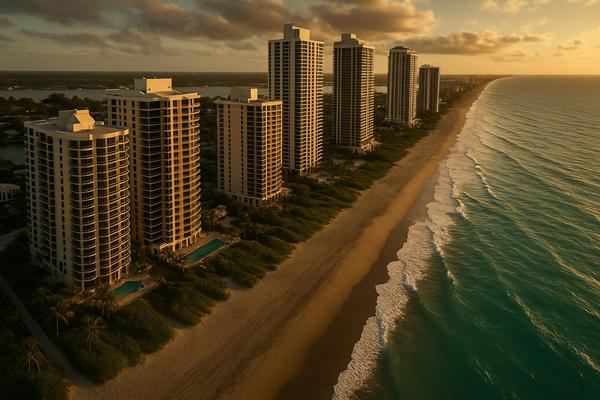
Singer Island Luxury Condos: How to Compare Buildings and Amenities
Singer Island, Florida · Buyer Briefing Singer Island Luxury Condos: How to Compare Buildings and Amenities On Singer Island, “oceanfront condo” covers a value studio and a multimillion-dollar resort residence in the same sentence. The way to buy well is to stop comparing the island and start comp
GET MORE INFORMATION

Agent SLSL698137