Moving to Jupiter, FL: A 2026 Buyer's Guide
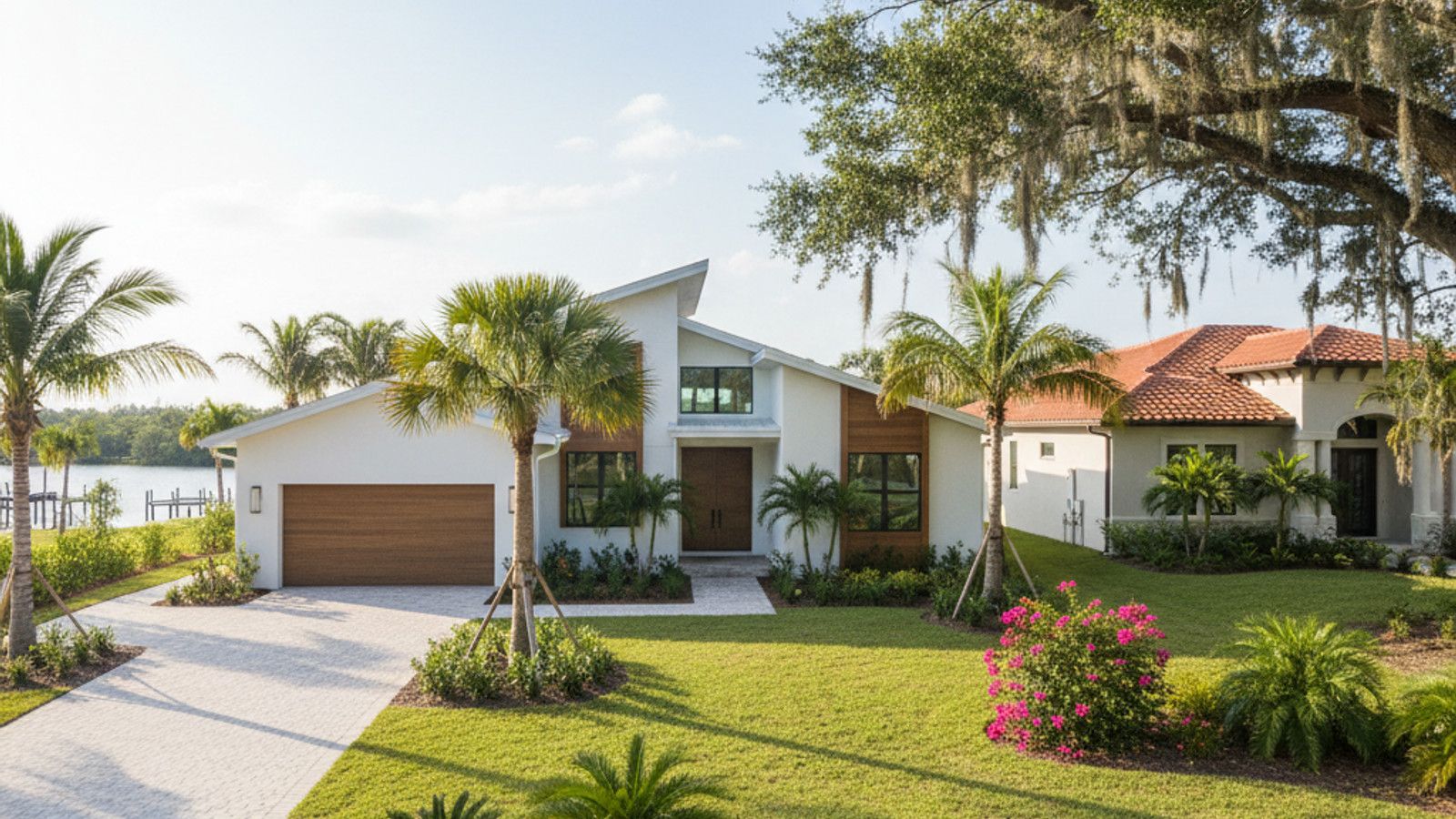
The population of Jupiter sits around 62,000 as of early 2026, marking a steady increase in residents over the past decade. Located in northern Palm Beach County, this coastal town attracts homebuyers looking for direct ocean access and warm weather. Florida's lack of a state income tax provides a financial incentive for those relocating from high-tax states.
Moving to Jupiter, FL means adjusting to a year-round outdoor lifestyle centered around the water. The Loxahatchee River winds through the center of town, providing miles of waterfront property and public dockage. Buyers will find everything from high-rise oceanfront condominiums to large acreage properties just a few miles inland.
Why Buyers Choose the Area
The town's placement along the Atlantic Ocean and the Intracoastal Waterway shapes daily life here. Residents spend their weekends on the water, whether they own a boat or prefer paddleboarding along the mangrove-lined shores. Access to the Gulf Stream makes the area a notable destination for deep-sea sport fishing.
Financial advantages play a large role in relocation decisions. Florida does not collect state income tax, which leaves more take-home pay for working professionals and retirees. This tax structure often offsets the higher property values found in northern Palm Beach County.
The climate supports year-round recreation, though summers bring intense humidity and frequent afternoon thunderstorms. Winter temperatures rarely drop below 60 degrees, allowing for uninterrupted outdoor activities. This consistent weather pattern draws a large population of seasonal residents from November through March.
Real Estate Market and Home Prices
The median home price in this market ranges between $650,000 and $712,000 as of Spring 2026. This represents a normalization compared to the rapid price escalations seen a few years ago. Average days on market currently sits around 67, giving buyers more time to view properties and conduct inspections.
Buyers have more negotiation power now than they did during the peak inventory shortages of recent years. Sellers are more willing to consider contingencies and contribute to closing costs. You should still expect competition for updated homes in prime locations near the water.
Common Property Types
Waterfront condominiums line the Jupiter Inlet and the oceanfront, offering maintenance-free living with high monthly association dues. Single-family homes in planned developments make up the bulk of the housing supply. Neighborhoods like Abacoa feature front-porch designs, community pools, and walkable town centers.
Buyers looking for space often focus on Jupiter Farms, an unincorporated area west of the Florida Turnpike. Properties here sit on dirt roads and typically include one to two acres of land with access to local equestrian trails. These homes operate on well water and septic systems, which requires different maintenance routines than city utilities.
Taxes and Association Fees
Palm Beach County property taxes run approximately 1.1% to 1.25% of the assessed value annually. Florida's Save Our Homes amendment caps the annual increase in assessed value for primary residences at 3%. Buyers should prepare for a reassessment based on the new purchase price during the first year of ownership.
Homeowners association fees vary widely depending on the neighborhood and the amenities provided. Condominium fees often exceed $800 per month to cover exterior insurance and roof maintenance. Single-family HOA fees generally range from $150 to $400 monthly for basic common area upkeep.
Cost of Living Compared to the National Average
The overall cost of living here is 16% higher than the national average. Housing expenses drive this premium, sitting 15% above the baseline for the rest of the country. Buyers moving from the Midwest or South will notice an immediate difference in real estate purchasing power.
Daily expenses present a mixed picture when evaluating your monthly budget. While your mortgage payment will likely be higher, some everyday costs fall slightly below the national average.
-
Groceries cost about 2% less than the national average, helped by local agriculture and regional distribution centers.
-
Utility bills remain slightly below average on an annual basis, though summer air conditioning costs peak from June through September.
-
Healthcare expenses track just below the national baseline, with numerous local providers keeping prices competitive.
-
Prices generally align with neighboring Palm Beach Gardens, though waterfront properties command a distinct premium.
Public and Private School Options
The School District of Palm Beach County manages the public education system across the region. This is one of the largest districts in the country, operating numerous elementary, middle, and high schools within the town limits. Jupiter High School serves as the primary public high school for local students.
Parents will also find several private school options ranging from secular preparatory academies to faith-based institutions. These campuses offer alternative curriculums and smaller student-to-teacher ratios. Tuition rates vary, and many of these schools maintain waitlists for early grades.
Higher education access includes a campus of Florida Atlantic University located within the town. This campus focuses on honors programs and specific research initiatives. Palm Beach State College also maintains a nearby campus for two-year degrees and continuing education.
Parks, Beaches, and Boating Access
Public water access defines the recreation scene in this part of South Florida. Jupiter Beach offers miles of sand along the Atlantic Ocean, including designated dog-friendly sections. Carlin Park provides beachfront pavilions, tennis courts, and an outdoor amphitheater for community events.
The Jupiter Inlet Lighthouse stands as the town's most recognizable landmark. Built in 1860, the red brick structure sits at the junction of the Loxahatchee River and the Intracoastal Waterway. The surrounding grounds include a museum and natural trails open to the public.
Boaters utilize numerous public boat ramps and private marinas to access the ocean through the Jupiter Inlet. The Intracoastal Waterway allows for protected cruising north to Tequesta, FL and south toward West Palm Beach. Kayakers and paddleboarders frequent the calmer, inland waters of the Loxahatchee River.
Commute Times and Infrastructure
Most working professionals commute south to West Palm Beach or north into Martin County. The drive to downtown West Palm Beach covers 16 to 20 miles, depending on your starting point. You should plan for a 25 to 40-minute commute during typical morning and evening traffic patterns.
The local transportation network relies on personal vehicles, though some public transit exists. The infrastructure handles daily traffic well, but seasonal population increases cause noticeable congestion on local roads from late fall through early spring.
-
Interstate 95 and Florida's Turnpike serve as the primary north-south highways for regional travel.
-
The Tri-Rail system provides commuter train service south to Miami, with the closest stations located in West Palm Beach and Mangonia Park.
-
Palm Tran operates public bus routes throughout Palm Beach County, connecting major shopping centers and employment hubs.
-
Jupiter Medical Center offers comprehensive healthcare services, emergency care, and specialized treatment facilities right in town.
Pros and Cons of Local Living
Relocating to northern Palm Beach County requires weighing the daily lifestyle benefits against the financial realities of a coastal market. The lack of state income tax and year-round outdoor recreation draw thousands of new residents annually. The local school district and extensive boating infrastructure add to the area's appeal.
The challenges primarily revolve around housing costs and weather. The median home price excludes some buyers, and property insurance rates continue to climb across Florida. Coastal properties face mandatory evacuations during severe weather, and hurricane insurance is a required expense for mortgaged homes.
Traffic patterns change drastically throughout the year. The influx of seasonal residents from November through March creates longer wait times at restaurants and slower commutes on arterial roads like Indiantown Road. Year-round residents learn to adjust their schedules during these peak months.
Frequently Asked Questions
Does Jupiter, FL get a lot of hurricanes?
The town faces a direct threat from hurricanes due to its coastal location on the Atlantic seaboard. The official hurricane season runs from June 1 through November 30, with peak activity typically occurring in August and September. Homeowners prepare by installing impact-resistant windows or accordion shutters, which often qualify for insurance discounts.
Is Jupiter nicer than Palm Beach?
The two towns offer entirely different atmospheres rather than a simple comparison of quality. Palm Beach features formal luxury, historic estates, and high-end shopping along Worth Avenue. In contrast, this northern town prioritizes a relaxed, flip-flop-friendly environment centered around marinas and casual waterfront dining.
What is the cost of living in Jupiter, FL?
The current cost of living sits 16% above the national average for 2026. A realistic monthly budget should account for elevated housing and property insurance costs, even though daily expenses like groceries and healthcare remain close to average. Buyers often find that savings from Florida's zero state income tax help balance these higher housing premiums.
Categories
Recent Posts


GET MORE INFORMATION