
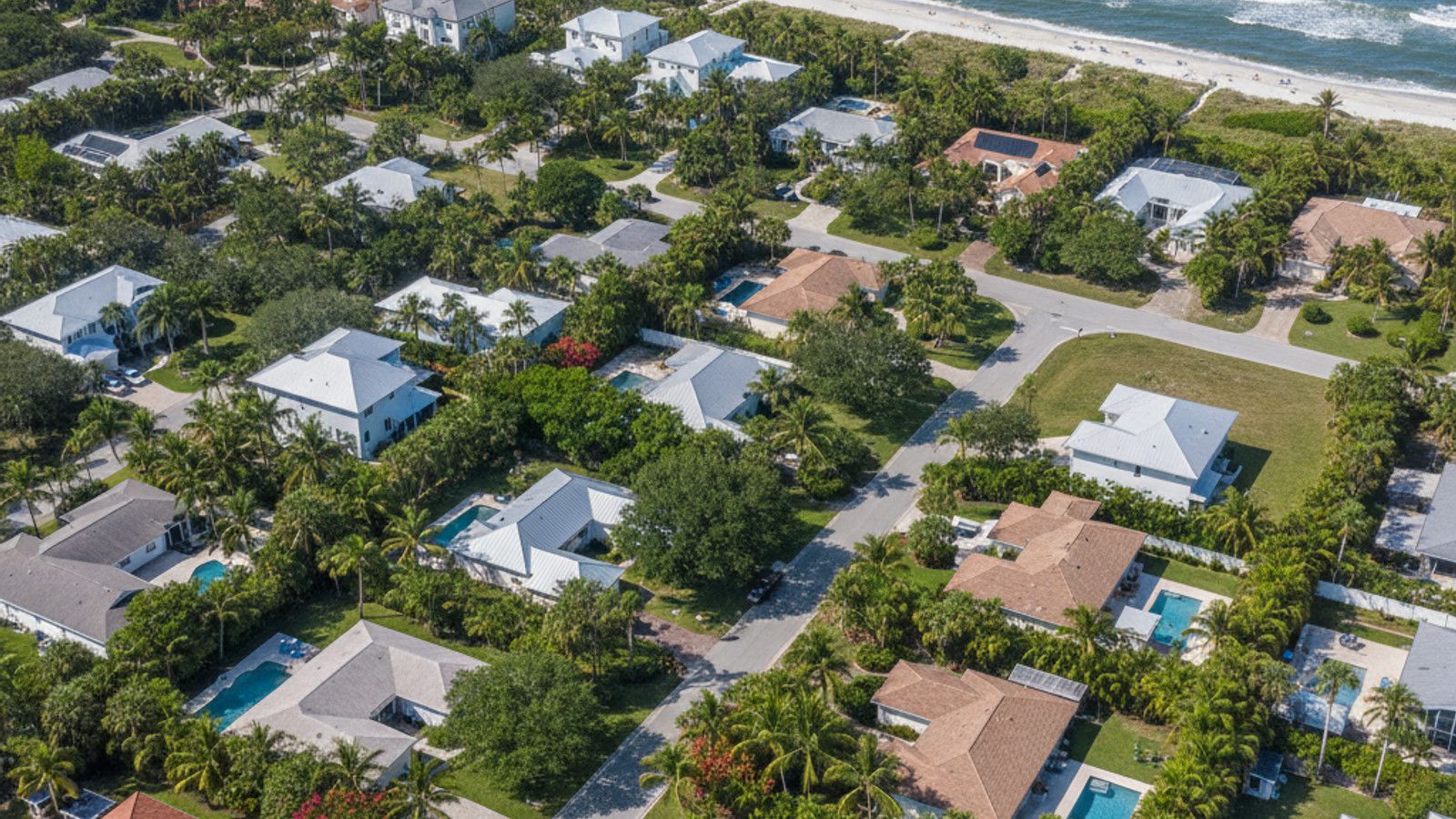
The overall Cost of Living in Jupiter, FL runs about 16% higher than the national average in 2026. This northern Palm Beach County town combines waterfront access with suburban infrastructure, drawing buyers from across the United States.
Residents trade higher housing prices for the financial benefit of no state income tax. Evaluating the Cost of Living in Jupiter, FL requires looking closely at property taxes, utility usage, and local real estate values.
Many relocating buyers find that their purchasing power shifts when moving from high-tax states in the Northeast or West Coast. The money saved on state-level taxation often redirects into housing budgets or local services.
Understanding the complete financial picture ensures a smoother transition to the Florida coast. A well-planned budget accounts for both the predictable monthly bills and the unique regional expenses associated with tropical weather.
Daily Expenses and the Local Economy
The local cost-of-living index sits at 116, meaning everyday expenses demand a larger budget than in many other parts of the country. Housing accounts for the largest portion of this premium, while other categories remain closer to the national baseline.
Homeowners insurance represents a major line item for any local resident. Policies in coastal Florida carry higher premiums than the national average due to hurricane risks and regional market conditions.
Buyers purchasing properties near the coast or in designated flood zones will also need separate flood insurance policies. These annual premiums vary based on the property's elevation and distance from the ocean or local waterways.
Access to major employment centers shapes the local economy and earning potential. Commuters regularly travel south to West Palm Beach or Fort Lauderdale, taking advantage of the broader South Florida job market.
Remote work has also shifted how buyers view the local economy. Professionals earning out-of-state salaries often find the lack of a state income tax offsets the premium paid for local real estate.
Daily essentials like groceries and healthcare balance out some of the higher housing costs. Buyers should evaluate their entire financial picture rather than focusing solely on the initial purchase price of a home.
Buying and Renting in the Local Housing Market
The median purchase price for a single-family home in Jupiter is roughly $695,000 to $712,000 as of May 2026. Properties east of Interstate 95 or near the Loxahatchee River generally command higher prices due to water access and proximity to the ocean.
Concrete block stucco construction dominates the local housing market, offering better wind resistance than wood-frame homes. Buyers often pay a premium for newer construction that meets the latest building codes.
Buyers looking for attached housing will find the median price for a condominium sits closer to $532,000. These properties often include maintenance and amenities, making them a popular choice for part-time residents and first-time buyers.
Renters face different price points depending on the neighborhood layout and property type. The denser, walkable streets of Abacoa command average rents between $2,500 and $3,200 per month, depending on the bedroom count and building age.
Seasonality impacts the local rental market. Short-term winter leases command massive premiums, while the figures cited above reflect standard twelve-month annual leases.
Moving westward into Jupiter Farms changes the rental landscape entirely. Average rents there approach $4,800 due to the larger acreage, equestrian facilities, and single-family zoning.
Homebuyers should factor homeowners association dues into their monthly budgets. Many neighborhoods maintain community pools, landscaping, and exterior maintenance through these mandatory fees, which vary widely by subdivision.
Townhomes offer a middle ground for buyers priced out of detached single-family homes. These properties typically feature lower HOA dues than high-rise condominiums while providing more square footage.
Monthly Utility Bills and Grocery Prices
Energy and utility costs in this region run about 7% lower than the national average. Most households pay between $150 and $250 per month for their combined electricity and water bills.
Florida Power & Light serves as the primary electricity provider for the area. Their rates remain relatively stable, but usage spikes during the warmest parts of the year.
Florida's climate dictates energy usage patterns throughout the year. Summer months bring extended periods of high heat, keeping air conditioning units running constantly and pushing electric bills toward the higher end of that range.
Water bills also fluctuate based on property type and irrigation needs. Homes on larger lots in Jupiter Farms often utilize well water, while properties in town connect to the municipal water system.
Internet and cable services add another standard line item to the monthly budget. Providers like Comcast and AT&T service the area, with standard broadband packages running comparable to national rates.
Pool maintenance represents an additional utility-like expense for many single-family homeowners. Weekly cleaning services, chemicals, and electricity for the pump system generally add $100 to $150 to a monthly household budget.
Food and groceries offer another area of savings for local residents. Supermarket prices in Jupiter track about 10% below the United States average, providing relief to the monthly budget.
The area features a mix of standard grocery chains and specialty markets. Shoppers can find everything from regional staples like Publix to wholesale clubs, allowing for flexible grocery budgeting.
Dining out introduces more variability into food costs. Waterfront restaurants along the inlet charge premium prices, while casual dining inland remains aligned with average suburban pricing.
Commuting Routes and Transit Options
Most residents rely on personal vehicles to get around town and travel to work. Transportation costs align closely with the national average, sitting just 0.3% higher than the baseline.
Interstate 95 and the Florida Turnpike serve as the primary arteries for regional travel. These highways connect Jupiter to the broader South Florida metropolitan area, offering direct routes southward.
Drivers using the Florida Turnpike will incur toll charges for their daily commutes. Most locals utilize a SunPass transponder to automatically deduct these fees at a discounted rate.
Indiantown Road acts as the main east-west corridor within the town limits. Traffic along this route peaks during morning and evening rush hours, affecting daily travel times for local errands.
Golf carts serve as a secondary mode of transportation in specific planned developments. Communities like Abacoa feature infrastructure that supports street-legal carts for short trips to local commercial centers.
Boat ownership adds a distinct transportation expense for many residents. Marina slip fees, dry storage, and regular vessel maintenance require a dedicated budget line for those utilizing the local waterways.
Public transportation options remain limited compared to larger urban centers. Palm Tran provides local bus service, but most professionals driving daily commutes prefer the flexibility of their own vehicles.
Regional rail service requires a short drive to neighboring towns. The Tri-Rail system and Brightline trains operate out of West Palm Beach, offering high-speed connections to Fort Lauderdale and Miami.
Air travel requires a short drive south down Interstate 95. Palm Beach International Airport is typically a 25 to 35-minute commute from most local neighborhoods, providing domestic and international flights.
How Property and Income Taxes Work
Florida does not collect a state income tax from its residents. This policy allows workers to keep a larger percentage of their salary compared to states with high income tax rates.
Palm Beach County applies an effective property tax rate of roughly 1.05% to local real estate. A home assessed at $700,000 generates an annual property tax bill of approximately $7,350.
Primary residents can reduce this burden by filing for the Florida Homestead Exemption. This program lowers the assessed value of an owner-occupied home by up to $50,000 for tax purposes.
Homeowners must file for this exemption by March 1 of the year following their purchase. Missing this deadline means paying taxes on the full assessed value for an entire calendar year.
The Homestead Exemption also triggers the Save Our Homes cap. This legal provision limits annual increases in the assessed value of a primary residence to 3% or the change in the Consumer Price Index, whichever is lower.
Buyers should understand that property taxes reset upon the sale of a home. The new tax bill will be based on the current market value, meaning a new buyer will likely pay more in taxes than the previous long-term owner.
Real estate transactions also incur a documentary stamp tax at closing. The state charges $0.70 per $100 of the purchase price, a cost typically absorbed by the seller under local contract standards.
Local sales tax adds another factor to the daily cost of living. Palm Beach County collects a 7% sales tax on most goods and services, which aligns with neighboring counties in South Florida.
Public Services, Healthcare, and Local Parks
Civic infrastructure plays a large role in the daily routine of local residents. The area maintains a network of public facilities, medical centers, and outdoor recreation spaces.
Access to these services influences where buyers choose to purchase a home. The town provides several key community resources that support the local population:
-
Public Education: Schools operate under the School District of Palm Beach County, which manages facilities across the entire region and handles transportation for local students.
-
Medical Care: Jupiter Medical Center serves as the primary hospital, offering emergency care, specialized medical services, and outpatient facilities.
-
Outdoor Recreation: Residents utilize municipal spaces like Jupiter Beach Park and Riverbend Park for ocean access, kayaking, and trail walking.
The municipal government also funds local police and fire rescue services. These departments operate out of multiple stations across the town to maintain response times.
Waterfront infrastructure requires ongoing municipal investment. The town maintains boat ramps, public docks, and beach access points that define the local lifestyle.
Environmental protection efforts represent another unique aspect of local services. The town funds initiatives to protect local sea turtle nesting sites and maintain the health of the Loxahatchee River ecosystem.
The Palm Beach County Library System operates a branch within the town limits. This facility provides residents with access to digital resources, community meeting spaces, and traditional media.
Hurricane preparedness shapes the design of all local public buildings. Schools and municipal centers often double as reinforced shelters during severe weather events, providing a secure location for residents.
Frequently Asked Questions
What salary do you need to live comfortably in Jupiter, FL?
A household income around $110,000 to $130,000 helps cover the median housing costs and local expenses without financial strain. This range assumes a 20% down payment on a typical $700,000 single-family home and standard monthly debt obligations. Buyers carrying less debt can often manage on a lower annual salary.
Is Jupiter, Florida an expensive place to live?
The town carries a 16% premium over the national average, driven almost entirely by real estate prices. While housing requires a larger budget, savings on groceries and the lack of state income tax help balance the overall financial picture.
What is the property tax rate in Palm Beach County?
The effective property tax rate sits at approximately 1.05% of a home's assessed value. Buyers purchasing a $500,000 condominium should expect a baseline tax bill of around $5,250 before applying any homestead exemptions.
FROM OUR BLOG
What to Know About Living in The Bluffs, Jupiter, FL
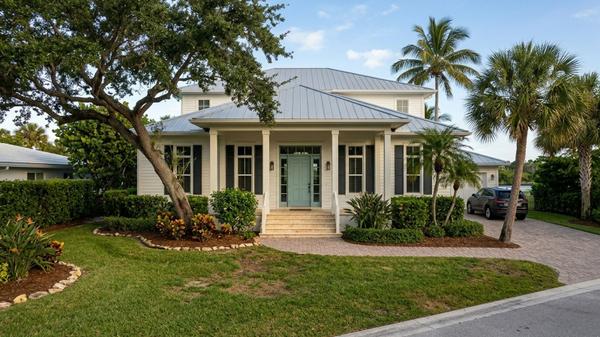
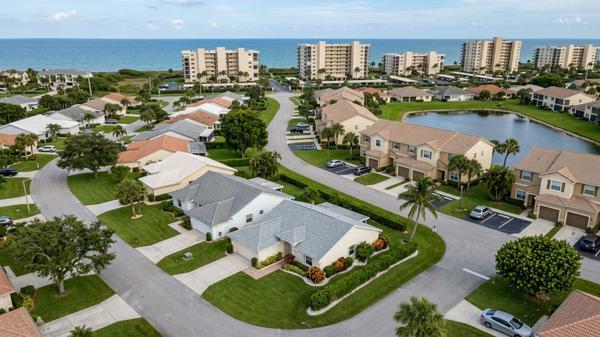
The Bluffs sits between the Intracoastal Waterway and the Atlantic Ocean, anchored near the intersection of Marcinski Road and U.S. Highway 1. As one of the best neighborhoods in Jupiter, FL, this district offers a real mix of residential options - condos, townhomes, single-family houses - all withi
Living in Admirals Cove: A Guide to the Jupiter, FL Community
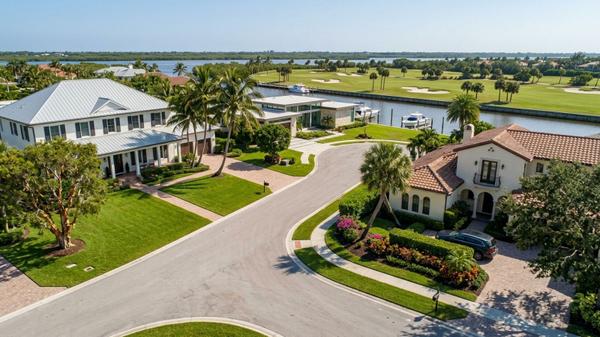
Admirals Cove spans roughly 727 to 976 acres and stands as one of the best neighborhoods in Jupiter, FL, with about 900 custom-designed residences built around a 180,000-square-foot East Clubhouse, 45 holes of championship golf, and a deep-water marina. That's the short version. The longer version i
Living in Jonathan's Landing, Jupiter, FL: Homes, Cost & Local Guide
Jonathan's Landing was built in 1978 on 600 acres along the Intracoastal Waterway, and it remains one of the best neighborhoods in Jupiter, FL. The development holds roughly 1,200 homes spread across 26 distinct villages, with a mix of single-family houses, townhomes, and condominiums - and a gated
GET MORE INFORMATION

Agent SLSL698137