
Buyers moving to South Florida quickly learn that the environment dictates many aspects of homeownership. The Jupiter, FL weather and climate drive building codes, insurance premiums, and daily lifestyle routines. Preparing for this specific environment requires more than just packing lighter clothing.
Understanding local weather patterns helps buyers budget for property insurance and evaluate a home's structural features. From the threat of coastal flooding to the consistent summer humidity, the Atlantic Ocean plays a major role in shaping the local real estate market. Buyers who know what to look for can identify homes built to handle these elements.
The transition to a subtropical environment involves learning new maintenance routines. Homeowners manage indoor humidity, prepare for seasonal storms, and protect exterior features from salt air. Knowing these details upfront makes the relocation process much smoother.
Yearly Temperature Swings and Rainfall Averages
Jupiter experiences a humid subtropical climate defined by long, warm summers and mild, dry winters. Summer highs routinely reach 90 degrees, while winter lows hover near a comfortable 64 degrees. This consistent warmth attracts buyers looking to escape northern winters.
The combination of heat and moisture pushes the heat index higher than the air temperature from May through September. Buyers touring properties during these months quickly learn the value of a well-functioning air conditioning system. Southern exposures on a house can also increase interior cooling costs.
Annual precipitation ranges from 58 to 62 inches across the region. Most of this rainfall arrives during the summer months in the form of fast-moving afternoon thunderstorms. August is historically the wettest month, bringing heavy downpours that test local drainage systems.
The chance of precipitation drops noticeably between November and April. During these months, the weather patterns stabilize, bringing clear skies and lower humidity. Homeowners spend less time managing indoor moisture and more time maintaining their landscaping during this drier season.
How Local Homes Are Built to Withstand the Elements
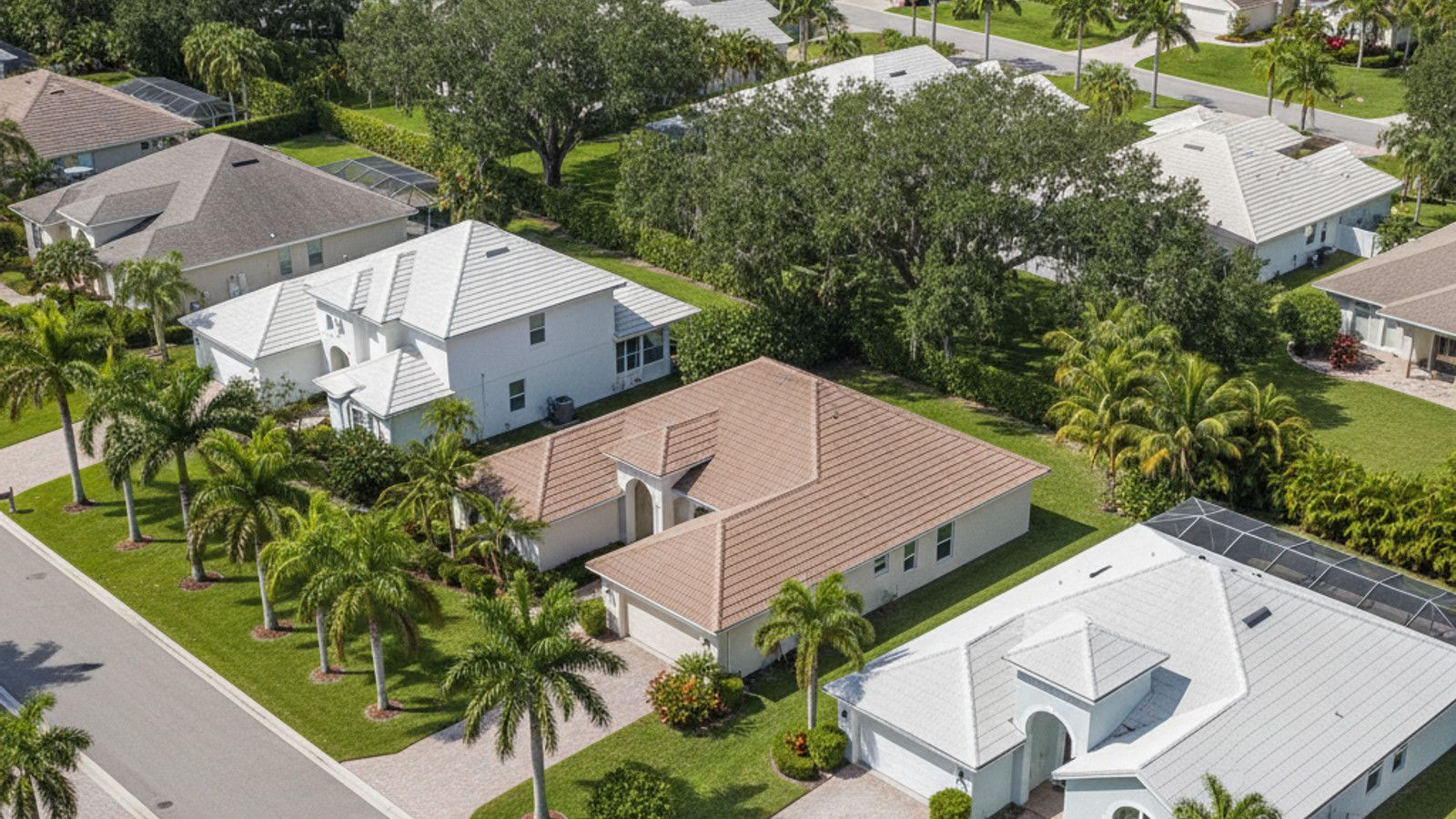
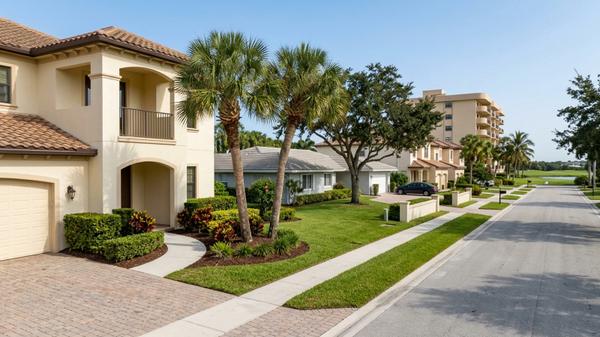
Residential construction in Palm Beach County looks different than in the Midwest or Northeast. Builders rely on Concrete Block Structure (CBS) construction for the exterior walls of most single-family homes. Concrete blocks provide superior resistance to high winds and flying debris during a tropical cyclone.
Roofs in this region require specialized installation techniques to handle extreme weather. Contractors install reinforced roof straps to tie the roof trusses directly to the home's concrete walls. This structural integration keeps the roof attached when hurricane-force winds hit the coast.
Roofing materials also reflect the local climate demands. Concrete tiles and standing-seam metal roofs dominate the market because they withstand intense sun and high wind speeds better than traditional asphalt shingles. Buyers should note the age and material of the roof when touring properties.
Many newer coastal properties are built at elevated heights to mitigate water intrusion from storm surge. Builders also install hurricane impact windows as a standard feature in modern developments. These specialized windows eliminate the need for cumbersome metal shutters while protecting the home's interior pressure.
The salt air from the Atlantic Ocean accelerates wear and tear on exterior mechanical systems. Air conditioning condenser units located outside require frequent maintenance and specialized coastal coatings to prevent premature corrosion. Buyers should inspect these units carefully before making an offer.
Flood Zones and Windstorm Insurance Requirements
The Loxahatchee River and the Atlantic Ocean create distinct coastal flooding risks for nearby neighborhoods. The Federal Emergency Management Agency (FEMA) designates high-risk flood areas using zones like AE, AH, and VE. Buyers purchasing a home in these zones with a mortgage must carry a separate flood insurance policy.
Homeowners outside of these high-risk zones should still evaluate their flood risk. Heavy rainfall can overwhelm local green infrastructure, causing localized street flooding even in lower-risk X zones. Standard homeowners insurance policies do not cover flood damage, making optional coverage a smart consideration.
Buyers can choose between the National Flood Insurance Program (NFIP) and private flood insurance carriers. An elevation certificate provides the exact height of the home's lowest floor relative to the base flood elevation. Insurance agents use this certificate to calculate accurate premium costs.
Windstorm coverage is another distinct requirement for Florida property owners. As of April 1, 2026, the state requires the updated OIR-B1-1802 wind mitigation inspection form to qualify for insurance discounts. Inspectors use this form to verify the presence of impact windows, roof straps, and modern roofing materials.
Securing property insurance in South Florida takes time and coordination. Buyers should begin shopping for coverage immediately after a seller accepts their offer. Waiting until the week of closing often results in delays, especially if a named storm enters the Atlantic basin and triggers a temporary freeze on new policies.
Year-Round Outdoor Recreation Along the Coast
The mild winter temperatures support continuous outdoor activities without a seasonal pause. Residents do not need to winterize boats or close down outdoor kitchens. The local climate data translates directly into a year-round outdoor lifestyle.
Access to the Atlantic coast provides immediate recreational options for homeowners. Boaters enjoy water temperatures that rarely drop below 70 degrees, allowing for comfortable fishing and diving year-round. Buyers evaluating the area often prioritize proximity to boat ramps and public green spaces.
Golf course communities form a major part of the local real estate market. These courses utilize specialized turf and extensive underground drainage systems to handle the heavy summer rainfall. Golfers can generally return to the fairways within hours of a major thunderstorm.
Several notable locations anchor the local outdoor scene:
-
Carlin Park: This oceanfront facility features guarded swimming areas, tennis courts, and an outdoor amphitheater.
-
Jupiter Beach Park: Located at the inlet, this park offers saltwater fishing, picnic pavilions, and direct beach access.
-
Jupiter Inlet Lighthouse: This historic landmark sits on a natural elevation, offering sweeping views of the surrounding waterways.
These amenities remain open and accessible throughout the seasonal changes. Buyers moving from colder regions often find that their entertainment budget shifts toward outdoor gear and water sports.
Common Questions About Jupiter, FL Weather and Climate
Does Jupiter, FL get a lot of hurricanes?
The Atlantic coast of Florida faces a persistent threat from tropical weather between June and November. While direct landfalls are infrequent, the area routinely experiences high winds and heavy rain from passing storms. Property owners must secure windstorm insurance and maintain their home's hurricane defenses.
Is it humid in Jupiter, Florida?
Yes, the region experiences high humidity for most of the year due to its subtropical location. Dew points frequently exceed 70 degrees from May through October. Homeowners rely on robust air conditioning systems and whole-house dehumidifiers to maintain comfortable indoor air quality.
What are the new wind mitigation rules for 2026?
The state introduced the updated OIR-B1-1802 wind mitigation inspection form on April 1, 2026. Insurance companies now require this specific documentation to process premium discounts for hurricane-resistant home features. Buyers should ensure their home inspector uses the current 2026 version of the form.
FROM OUR BLOG
What to Know About Living in The Bluffs, Jupiter, FL
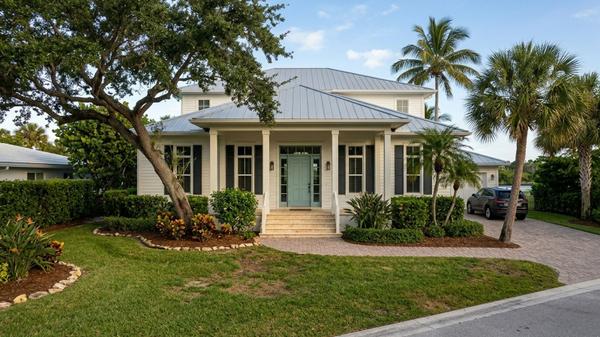
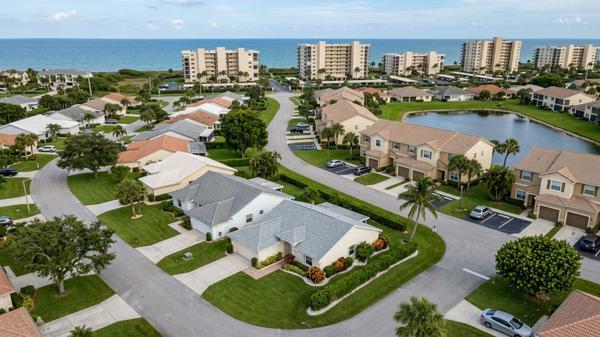
The Bluffs sits between the Intracoastal Waterway and the Atlantic Ocean, anchored near the intersection of Marcinski Road and U.S. Highway 1. As one of the best neighborhoods in Jupiter, FL, this district offers a real mix of residential options - condos, townhomes, single-family houses - all withi
Living in Admirals Cove: A Guide to the Jupiter, FL Community
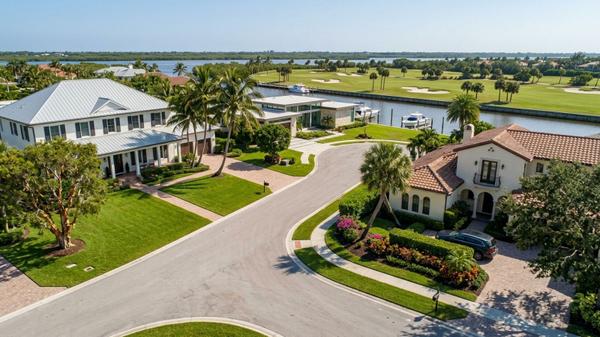
Admirals Cove spans roughly 727 to 976 acres and stands as one of the best neighborhoods in Jupiter, FL, with about 900 custom-designed residences built around a 180,000-square-foot East Clubhouse, 45 holes of championship golf, and a deep-water marina. That's the short version. The longer version i
Living in Jonathan's Landing, Jupiter, FL: Homes, Cost & Local Guide
Jonathan's Landing was built in 1978 on 600 acres along the Intracoastal Waterway, and it remains one of the best neighborhoods in Jupiter, FL. The development holds roughly 1,200 homes spread across 26 distinct villages, with a mix of single-family houses, townhomes, and condominiums - and a gated
GET MORE INFORMATION

Agent SLSL698137